bradcodetips
Username
I might change my username to silicon valley brad on itch.io to match my YouTube username.
Linux Exempt From AB 1043
The latest news is that California made Linux exempt from age signals. I need to do more research but so far I think games for Linux will also be exempt from age signals.
My current plan is to only make new games for Linux.
Even if no age signal is required on Linux and my games are suitable for children my future game license will not allow anyone under 18 to download my games because I don't want to risk liability; however, I don't know if this is possible on itch.io. I don't want to mark my games adult because my games do not contain adult content but I still want to restrict to 18 and over.
Alert: Download Before 2027
Download my games while you can. There is nothing wrong with my games but because I don't have time to update my games to comply with the unconstitutional California Digital Age Assurance Act AB 1043 law I will be forced to remove all of them before January 1, 2027.
California Digital Age Assurance Act AB 1043
- New Requirement: All downloadable programs in California must be capable of requesting an age signal starting January 1, 2027.
- Penalty: Non-compliance can result in fines up to $7,500 per download.
- My Concern: Updating free games that generate no revenue is not worth the time or cost.
- My Plan: Removing all my games from itch.io before the deadline.
- Future Plans: Interested in releasing new games with age signal compliance but still researching.
License Amendment
This license amendment takes effect on all my games after January 1, 2027 due to the California Digital Age Assurance Act AB 1043.
I still plan to remove all my games before the deadline but this license amendment is for added protection.
I wish all I had to do was just add this amendment to my user license and it would protect me from California but it is my understanding that this is not enough to prevent being fined.
- California residents are not allowed to download or run my games.
- Colorado residents are not allowed to download or run my games.
- Anyone under 18 is not allowed to download or run my games.
Current Games
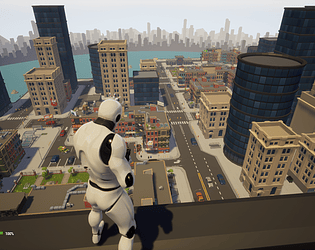
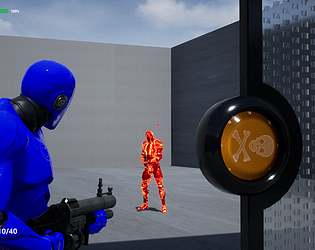
- None of my games have adult content.
- None of my games are made for anyone under 18 as the target audience.
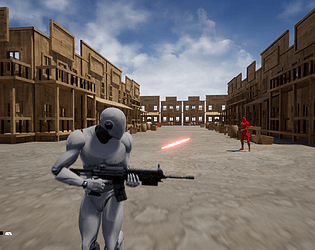
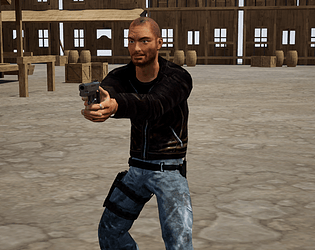
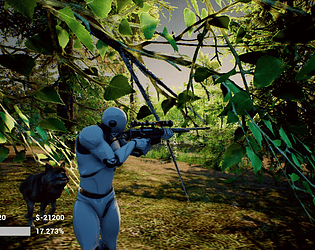
- Some of my games have knives, guns, or violence.
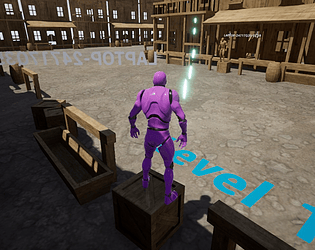
- Some of my games have no guns and no violence and should be suitable for children of all ages although not made for children.
Even programs that are are suitable for children of all ages are required to request an age signal even though it would not need to use that age signal for anything which makes no sense to me but that is how the government law works.
Future Games
If an app incorrectly categorizes the age it could result in a $7500 fine per download; therefore, all of my new games that request an age single, even if suitable for children, will still require being 18 or over because I can't afford to risk liability.
People that run open source Unix based OSs are saying they will just use a version that does not check for age but then my program will assume you are under 18 and won't run because they need an age signal of 18 or over.
Liability Protection
I liked giving away free games that I made for fun; however, now giving away a free game risks up to a $7,500 fine for each download; therefore, I don't know if I can take that risk in the future.
The $7,500 fine would bankrupt anyone because no one is charging more than $7500 per download. I would charge around $10 or less if I put a price on some of my games.
One possible solution to protect myself from the government would be to create an LLC for games I want to distribute but if not making any money from the game it would be very costly. If the government fined the LLC then I could just put the LLC into bankruptcy. However, using an LLC takes some money and requires work to setup and maintain compared to before when I just released games as sole proprietor for free.